Free Pattern
Step-by-Step
Crochet
WearablesCrochet Slurf Sweater Scarf Pattern With Sleeves
Make a cozy crochet Slurf sweater scarf with sleeves! This customizable pattern wraps, crisscrosses, or drapes for the ultimate versatile accessory.
Level IntermediateTime 4-6 HoursYarn Worsted
Pattern highlights
- Decide your scarf body width by choosing an even stitch count, like 40, before you begin.
- Work the scarf body flat in single crochet across your chosen width for the required rounds.
- Create the ribbed cuff separately, working it flat in its own two rounds for texture.
- Single crochet evenly around the cuff's open edge, matching it to your chosen scarf width.
- Cut your yarn without joining the round, keeping the fabric flat rather than tubular.
- Repeat the cuff-making and edging process a second time to create the matching sleeve.
- Weave in all loose ends with a yarn needle for a clean, finished look.
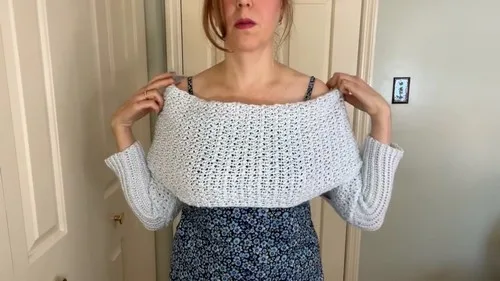
- Try the piece on and style it wrapped, crisscrossed in front, or draped over your shoulders.
About This Pattern
The Slurf Sweater Scarf is that genius hybrid every crocheter needs in their queue — part scarf, part sweater, all cozy. This clever design gives you a scarf body with two built-in cuffed sleeves, so you can slip your arms through and wear it like a wrap, a crisscrossed shrug, or a draped shawl. It's perfect for crocheters who want one project that solves multiple wardrobe problems, and it makes an unforgettable handmade gift for anyone who's always cold but still wants to look put together.
This pattern keeps things approachable while still teaching valuable skills: you'll work the scarf body in single crochet, then create ribbed cuffs and single crochet evenly around the open edges to attach them seamlessly. Since you decide your own stitch count for the body width, there's a bit of planning involved, which makes this a great next-step project for confident beginners or an easy, satisfying make for intermediate crocheters. Expect to spend a relaxed weekend on it, working in short, repeatable sessions.
When you're done, you'll have a soft, structured piece that drapes beautifully around the neck yet functions like a sweater when you need your arms free. The ribbed cuffs give it a polished, tailored finish that elevates it beyond a basic rectangle scarf. Because the fit is entirely customizable to the wearer's size, it makes a thoughtful, personal gift — one that says you paid attention to exactly what they'd love to wear.
Variations
This pattern is a playground for customization since you choose your own scarf body width from the start. Want an oversized, cocoon-like wrap? Bump your stitch count up to 50 or 60 (keeping it even) for extra coverage. Prefer a sleeker, closer-fitting Slurf? Try a narrower width like 32 or 36 stitches for a daintier drape that still allows the crisscross styling. For yarn, this pattern shines in worsted weight — Wool-Ease or With Love both give great stitch definition for the ribbed cuffs while staying soft against the neck. If you want extra drape and elegance, try a chunky alpaca blend like Loops & Threads Cozy Wool for a luxe, editorial feel. Color-wise, a chic colorblock look works beautifully: crochet the scarf body in a neutral like oatmeal or charcoal, then make the two ribbed cuffs in a contrasting pop color like rust or emerald for a designer-inspired detail. For a seasonal spin, try a deep forest green body with cream cuffs for an autumn-ready look, or a soft blush and dove-gray combo for a spring layering piece. If you're making it as a gift, consider working the recipient's favorite color into just the cuffs — it's a small, thoughtful touch that makes the piece feel personalized without complicating the pattern. You can also experiment with stitch texture: swap single crochet in the body for half double crochet for a slightly airier, faster-working fabric, just remember to adjust your single crochet cuff-edging stitch count to match the new gauge.
I adore this pattern because it completely reinvents what a scarf can be. Instead of just wrapping fabric around your neck, you get actual sleeves — cuffed, ribbed, and functional — so your Slurf can crisscross in front with your arms tucked through, or cross behind you and drape forward over your shoulders like a cape. Working the single crochet evenly around each cuff's open edge to match your chosen body width is such a satisfying technique moment; it's where the whole garment clicks into place. I also love that the width is entirely up to you — pick an even stitch count like 40 and the piece is custom-fit before you even start. There's no fiddly finishing or complicated construction here, just two simple pattern parts (the scarf body and the ribbed cuffs) that come together into something that feels far more sophisticated than the stitch count suggests. It's the kind of project that makes people ask, 'wait, you made that?!' every single time.
Common mistakes
- Choosing an odd number of stitches for the scarf body width.
- Always double-check your chosen width is an even number (like 40) before you begin — this ensures the cuff edging and overall symmetry line up correctly on both sides.
- Working the single crochet edging
- Match your tension by working a few test stitches around the cuff's open edge first, and adjust your hook size slightly if the edge puckers or gaps compared to the scarf body.
- Joining the round when the pattern specifies not to.
- Remember this pattern is worked flat with rows, not joined rounds — cut your yarn as instructed after each cuff repeat instead of slip-stitching to close a round, or your sleeve shaping will be thrown off.
- Making the two cuffs different sizes or stitch counts.
- Use a stitch marker to mark your starting stitch on the first cuff and count your total stitches before repeating the exact same process for the second cuff, so both sleeves match.
- Forgetting to weave in ends
- Weave in each cut end with a yarn needle as you finish that section rather than saving them all for the end — it's much easier to keep track of which tail belongs where.
- Not trying on the piece before fully
- Slip the partially finished Slurf on and test the crisscross and draped styles to confirm the sleeve placement and body width feel right before committing to the final cuff.
Intermediate
Progress Tracker
0 of 0 rounds
Tap a round to tick it off — your place is saved on this device.
Materials
- Yarn of choice (medium or worsted weight recommended)
- Crochet hook size appropriate for yarn
- Scissors
- Yarn needle for weaving ends
- Stitch markers (optional)
- Measuring tape
The Scarf Body
Chain an odd number: desired stitch count plus 1 (example chain 41)
- Row 1Work Extended Single Crochet (ESC) across the chain to create an even stitch count
- Row 2Chain 1, turn, work ESC in both loops of the first 2 stitches, then alternate FLO and BLO ESC until the last 2 stitches, work ESC in both loopsRepeat Row 2 until scarf reaches the desired length
The Cuff (Ribbing)
Measure the cuff height around your forearm and create a chain to match
- Row 1Work Row 1 in the back bump of the chain using Half Slip Stitch (HSS) across
- Row 2Chain 1, turn, Slip Stitch in Back Loop Only (BLO) across
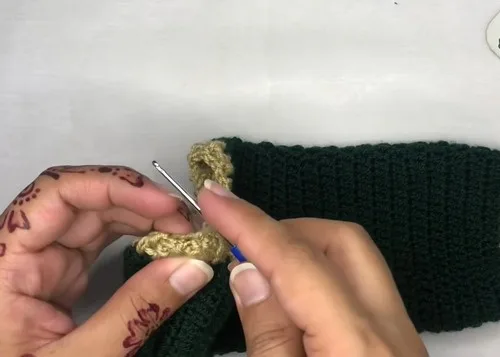
- Row 3Chain 1, turn, Half Slip Stitch in BLO acrossRepeat Rows 2 and 3 until wide enough to wrap around your forearm, ending on a HSS rowFold the ribbing, slip stitch the first and last rows together through loops to form a tube (do not cut yarn yet)Decide the width of your scarf body (must be even, example 40 stitches)
- Edging RoundWork Single Crochet evenly around the open edge of the cuff to match chosen widthDo not join the round, cut yarnRepeat steps to make the second cuff
Assembly
- Step 1Make sure the scarf body is not twisted and cuffs are turned inside out
- Step 2Attach yarn to the scarf end and cuff edge, slip stitch around the entire edge to join
- Step 3Optional: slip stitch up 10 stitches along the arm side for comfort at the elbow
- Step 4Cut yarn, weave in ends, turn cuffs right side out
Important notes
💡 Since you're choosing your own scarf body width, swatch a small section first to see how your worsted weight yarn and hook size affect the final measurement before committing to a stitch count.
💡 Use a stitch marker to mark the exact starting point when working single crochet evenly around each cuff's open edge, so both cuffs come out identical in placement and stitch count.
💡 A measuring tape is essential here — measure the wearer's shoulder-to-wrist length and desired drape before finalizing your scarf body width for the best custom fit.
💡 When you cut yarn after each round as instructed, leave a tail of at least 6 inches to make weaving in ends with your yarn needle much easier later.
💡 Try the piece on in all three styles — classic wrap, front crisscross, and back drape — before final assembly to make sure the cuff placement works for the wearer's preferred look.
💡 If your yarn is a bit thinner or thicker than standard worsted weight, size your hook up or down half a size to keep the ribbed cuffs snug but stretchy enough to slide onto the arm.
More photos
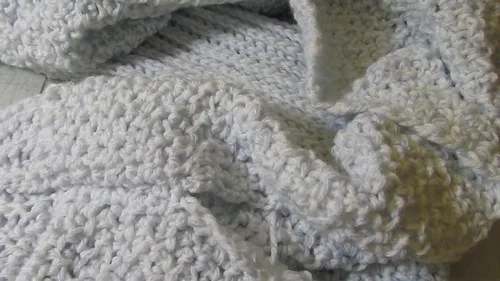
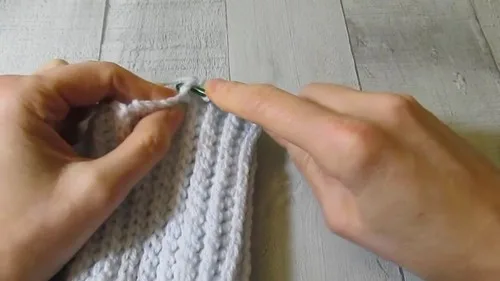
Original pattern: https://crocheteverything.com/stylish-crochet-slurf-sweater-scarf-pattern-with-sleeves/
FAQ
How do I decide what width to make the scarf body?
Measure the wearer's desired coverage and choose an even stitch count, such as 40 stitches, as your starting point. Wider counts create a more dramatic, oversized drape, while narrower counts give a sleeker fit.
Can I use a yarn other than worsted weight?
Yes, though worsted weight is recommended for the best drape and structure in both the scarf body and ribbed cuffs. If you substitute a lighter or bulkier yarn, adjust your hook size and swatch first to check the fit.
Why does the pattern say not to join the round?
This piece is worked flat rather than in the round, so joining would twist the fabric and mess up the sleeve shaping. Simply cut your yarn as directed after each section instead.
How do I make sure both cuffs match?
Keep track of your stitch count and starting point with a stitch marker on the first cuff, then repeat the exact same steps for the second cuff. Consistency in your single crochet edging around each open edge keeps them symmetrical.
What's the best way to wear the finished Slurf?
You can wear it as a classic wrapped scarf, crisscrossed in front with your arms through the sleeves, or crossed behind your back with the sleeves brought forward over your shoulders. It's fully customizable, so try all three styles to find your favorite.